Épisodes

  • Sacred space and literature, Naples, what a passion!
    Dec 13 2025
    In this episode, I present two volumes from the NapoliStoria Pocket series published by La Valle del Tempo, on the occasion of the celebrations for the 2,500th anniversary of the city of Naples.
    The first volume, "Sacred Space in the Changing City: The Churches of Naples Through the Centuries" by Francesco Divenuto, is an innovative guide describing Neapolitan urban history through its sacred buildings, from the arrival of the new religious orders in the 16th century to contemporary transformations.
    Divenuto analyzes each building in relation to the history of the place and urban transformations: from the 17th-century Baroque dominated by Cosimo Fanzago, defined as the "absolute protagonist of Neapolitan Baroque," to the 18th-century with the great masters Ferdinando Fuga, Luigi Vanvitelli, and Mario Gioffredo. There is also a critical analysis of the post-1884 Risanamento, which radically transformed the historic center despite the protests of Benedetto Croce and Matilde Serao.
    The crucial question that runs through the work is a compelling one: is it more logical to build new sacred buildings or to reclaim unused ancient monuments? The author offers virtuous examples such as the Humanities Library in the former convent of Sant'Antoniello in Piazza Bellini, demonstrating how intelligent reuse can save buildings of great historical importance.
    The second volume, "One, None, Two Thousand Five Hundred Naples. Literature that Tells the City" by Francesco Divenuto, Clorinda Irace, and Mario Rovinello, reopens the game of reflection through literature. The book examines the city in its complexity and elusiveness, addressing themes such as the "city that heals" with the Ospedale degli Incurabili and San Giuseppe Moscati, mass tourism, the Neapolitan "musical vortex" from its origins to Geolier, and even football as an identity-defining phenomenon.
    As Rovinello observes: "The image of a stagnant city is untenable; rather, multiple realities emerge, coexisting within the same urban body. A Naples that is both a genius loci, a lifeblood and a source of dissolution."
    The volumes will be presented as part of the Books & Museum event at the Monumental Complex of Santa Maria la Nova, directed by Professor Giuseppe Reale.
    A podcast for those who want to understand Naples beyond stereotypes, questioning the relationship between past and future, between preservation and transformation, between identity and change.
    Voir plus Voir moins
    39 min
  • Spazio sacro e letteratura, Napoli che passione!
    Dec 13 2025
    In questo episodio presento due volumi della collana NapoliStoria Pocket editi da La Valle del Tempo, in occasione delle celebrazioni per i 2500 anni della città di Napoli. Il primo volume, "Lo spazio sacro nella città che cambia. Le chiese di Napoli attraverso i secoli" di Francesco Divenuto, costituisce una guida innovativa che descrive la storia urbana napoletana attraverso i suoi edifici sacri, dall'arrivo dei nuovi Ordini religiosi nel Cinquecento fino alle trasformazioni contemporanee. Divenuto analizza ogni edificio in rapporto alla storia del luogo e alle trasformazioni urbane: dal Seicento barocco dominato da Cosimo Fanzago, definito "protagonista assoluto del barocco napoletano", al Settecento con i grandi maestri Ferdinando Fuga, Luigi Vanvitelli e Mario Gioffredo. Non manca l'analisi critica del Risanamento post-1884, che trasformò radicalmente il centro storico nonostante le proteste di Benedetto Croce e Matilde Serao. La domanda cruciale che attraversa l'opera è di stringente attualità: è più logico costruire nuovi edifici sacri o recuperare gli antichi monumenti inutilizzati? L'autore propone esempi virtuosi come la Biblioteca di Area Umanistica nell'ex convento di Sant'Antoniello a Piazza Bellini, dimostrando come il riutilizzo intelligente possa salvare edifici di grande importanza storica. Il secondo volume, "Una, nessuna, duemilacinquecento Napoli. La letteratura che racconta la città" di Francesco Divenuto, Clorinda Irace e Mario Rovinello, ri-apre i giochi della riflessione attraverso la letteratura. Il libro guarda alla città nella sua complessità e inafferrabilità, affrontando temi come la "città che cura" con l'Ospedale degli Incurabili e San Giuseppe Moscati, il turismo di massa, il "vortice musicale" napoletano dalle origini fino a Geolier, e persino il calcio come fenomeno identitario. Come osserva Rovinello: "Non è condivisibile l'immagine di una città in stagnazione, piuttosto emergono molteplici realtà che coabitano nello stesso corpo urbano. Una Napoli genius loci, linfa vitale e causa di dissolvimento". I volumi saranno presentati nell'ambito della rassegna Books & Museum al Complesso Monumentale di Santa Maria la Nova, diretta dal prof. Giuseppe Reale. Un podcast per chi vuole comprendere Napoli oltre gli stereotipi, interrogandosi sul rapporto tra passato e futuro, tra conservazione e trasformazione, tra identità e cambiamento.
    Voir plus Voir moins
    35 min
  • Le spine del Rosa, Daniela Marra la vita romanzata di Salvator Rosa
    Nov 30 2025
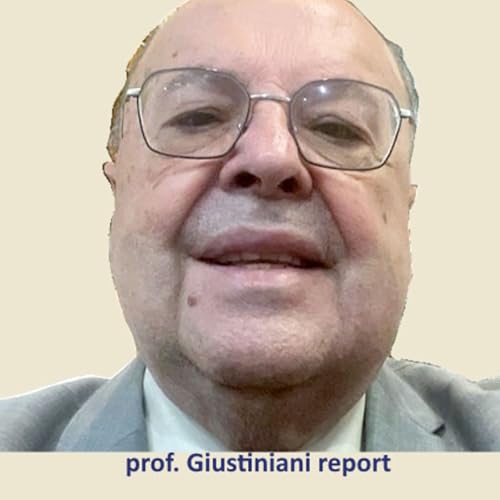
    Un viaggio nella Napoli del Seicento attraverso il romanzo Le spine del Rosa di Daniela Marra. Tra rivolte popolari, eruzione del Vesuvio, peste e superstizioni, la vita di Salvator Rosa diventa lente per leggere un’epoca inquieta e modernissima. L’intervento del prof. Pasquale Giustiniani illumina il contesto storico, il ruolo degli Spagnoli, il Vesuvio del 1631 e la grande peste del 1656, restituendo la forza narrativa e simbolica del romanzo. Un dialogo vivo tra storia, letteratura e memoria collettiva.
    Voir plus Voir moins
    12 min
  • End of Life Bioethics, Biolaw, and the Theological Dimension
    Nov 16 2025
    End of Life: Bioethics, Law and Theology - Preview of the Nola Conference Description: On November 21, 2025, I will be speaking at the conference "End of Life between Bioethics, Biolaw and Theological Dimension" organized in Nola (Italy) by UGCI, AMCI and Scuola Bruniana. In this podcast preview, I present the critical issues of my speech: The fracture between feeling and reason: Leopardi contrasted the poetic voice (which sees death as a transition to the divine) with cold rationality. Today, death is reduced to a clinical fact: cessation of brain functions, ASL procedures, lethal drugs. In Italy, 15 people have obtained assisted suicide since 2019. But if it's a right, why ask the community to provide means and assistance? The role of Local Health Authorities and Ethics Committees: After the Cappato ruling, Italian health authorities authorize assisted suicide through Territorial Ethics Committees. Two women from Campania with ALS have just received approval. But who controls these bodies? With differentiated autonomy, will each Region have different rules on death? The crossroads of Ethics Committees: Who are the bioethics experts who decide? Are philosophical or theological studies enough? The risk is perpetuating ideological oppositions instead of dialogue. The crucial question: Is providing lethal drugs assistance to a right or complicity with unheard despair? If those who ask to die do so because palliative care, pain therapy, and psychological support are lacking, shouldn't we first revise the care system? I don't offer easy answers, but questions we can no longer avoid. In an age that has emptied death of religious meaning, we must at least prevent it from becoming the last, definitive loneliness. Listen to the preview and follow me at the November 21 conference in Nola.
    Voir plus Voir moins
    15 min
  • Fine vita tra bioetica, biodiritto e dimensione teologica
    Nov 16 2025
    Fine vita: bioetica, diritto e teologia - Anteprima del convegno di Nola Descrizione: Il 21 novembre 2025 sarò relatore al convegno "Fine vita tra bioetica, biodiritto e dimensione teologica" organizzato a Nola da UGCI, AMCI e Scuola Bruniana. In questa anteprima podcast, vi presento i nodi critici della mia relazione: La frattura tra sentimento e ragione: Leopardi contrapponeva la voce poetica (che vede nella morte un transito verso il divino) alla fredda razionalità. Oggi, la morte è ridotta a fatto clinico: cessazione delle funzioni cerebrali, procedure ASL, farmaci letali. In Italia, 15 persone hanno ottenuto il suicidio assistito dal 2019. Ma se è un diritto, perché chiedere alla collettività di fornire mezzi e assistenza? Il ruolo delle ASL e dei Comitati Etici: Dopo la sentenza Cappato, le ASL autorizzano il suicidio assistito tramite i Comitati Etici Territoriali. Due donne campane con SLA hanno appena ricevuto l'ok. Ma chi controlla questi organismi? Con l'autonomia differenziata, ogni Regione avrà regole diverse sulla morte? Il bivio dei Comitati Etici: Chi sono gli esperti di bioetica che decidono? Bastano studi filosofici o teologici? Il rischio è perpetuare contrapposizioni ideologiche invece di dialogare. La domanda cruciale: Fornire farmaci letali è assistenza a un diritto o complicità con una disperazione non ascoltata? Se chi chiede di morire lo fa perché mancano cure palliative, terapia del dolore, supporto psicologico, non dovremmo prima rivedere il sistema di cura? Non offro risposte facili, ma domande che non possiamo eludere. In un'epoca che ha svuotato la morte di senso religioso, dobbiamo almeno evitare che diventi l'ultima, definitiva solitudine. Ascolta l'anteprima e seguimi al convegno del 21 novembre a Nola.
    Voir plus Voir moins
    13 min
  • Tasso, luck, and AI why rediscover him today
    Nov 5 2025
    🎙️ Torquato Tasso: Between Literature, Faith, and Philosophy
    In his opening address at the Sorrento Conference (Nov 7–8, 2025), Prof. Pasquale Giustiniani explores the intellectual depth of Torquato Tasso — poet, thinker, and visionary of human destiny.
    Tasso’s dialogue between reason and faith, imagination and theology, reveals a modern mind anticipating our own age of uncertainty and digital transformation
    Voir plus Voir moins
    3 min
  • Tasso, la fortuna e l’AI perché riscoprirlo oggi
    Nov 5 2025
    🎙️ Torquato Tasso tra letteratura, religione e filosofia
    Nel suo intervento introduttivo al Convegno di Sorrento, Hotel Continetal (7-8 novembre 2025), Pasquale Giustiniani esplora la complessità del pensiero tassiano: tra poesia e filosofia, tormento e provvidenza, modernità e fede.
    Una riflessione sul Tasso “filosofo”, precursore del pensiero critico moderno e voce ancora viva nell’epoca digitale.
    Voir plus Voir moins
    8 min
  • Drinking Bishops in the Sermons of Caesarius of Arles
    Oct 25 2025
    Drinking Bishops: Wine, Vice and the Voice of Caesarius of Arles
    Arles, 5th century AD. The "Little Rome of Gaul" is a thriving city exporting wine, oil and grain throughout the empire. Its vineyards produce prestigious reds for elites and ordinary wines for workers and slaves. But behind this commercial success lies a problem that would shake the late imperial Church: rampant drunkenness among the clergy. In this episode of the Giustiniani Report, we explore the Sermons of Caesarius of Arles, bishop, monk and reformer who dedicated his preaching to combating what he called an increasingly widespread "devil's poison": the vice of immoderate drinking, particularly among bishops and high-ranking clerics. Caesarius minces no words. In his Sermons 46 and 47, he denounces bishops who organize sumptuous banquets instead of preaching, taking money from the poor to set up feasts lasting until dawn. He describes clerics forcing guests to drink "in the name of saints and angels," prelates vomiting and needing to be carried to bed by others, shepherds more interested in managing vineyards than caring for souls. Using deliberately "down-to-earth" language – suitable for farmers and the poor of his flock – Caesarius employs vivid, brutal images: he compares drunkards to "stinking sewers," describes staggering bodies and clouded eyes, denounces the practice of eating excessively salty foods just to drink immoderate quantities of wine. But there's more. Caesarius places ebrietas – habitual drunkenness – alongside the gravest sins, quoting Saint Paul: "Nor will drunkards inherit the kingdom of God." The Council of Agde in 506, which he himself presides over, explicitly prohibits drunkenness to clerics, providing for excommunication or corporal punishment. This episode takes us to 5th-6th century Arles, city of two rivers traversed by barbarian invasions, wars between Franks and Goths, dominations by Visigoths, Burgundians and Ostrogoths. Here, among the necropolises of the Alyscamps – the same fields Van Gogh would paint centuries later – Caesarius fights his moral battle. We'll discover how Western monasticism, unlike its Eastern counterpart, was more "permissive" about wine use, inheriting biblical topoi of the vine and branches. We'll see how Augustine of Hippo – whose main popularizer in Gaul was Caesarius – drank wine at every meal and how his monastic rule provided wine "for those who want it" on weekends. But above all, through the words of this forgotten and rediscovered bishop, we'll understand how fundamental concepts of classical theology passed into the Middle Ages, how the ethics of food intertwined with moral theology, and how surprisingly current problems – substance abuse, clergy corruption, conflict between earthly wealth and spiritual poverty – already afflicted the late ancient Church. A fascinating journey through the history of wine, the Church and the customs of an era of transition, where the Eucharistic chalice could transform into the chalice of excess
    Voir plus Voir moins
    14 min